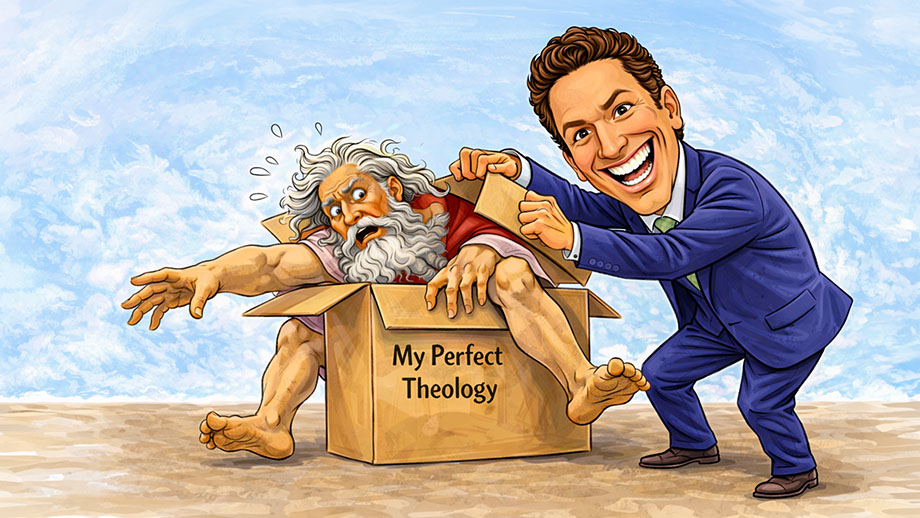
I used to be certain.
Not just confident or comfortable, but certain in the way only a young person can be when handed a complete system and told it explains everything. I had been taught a theology that divided the world neatly into what was true and what was false. It came with answers for every question that mattered and, more importantly, it came with the assumption that those answers were final.
I didn’t question it. Why would I? It was what I had been given. It felt like truth because it felt like home.
When I listen to people argue about theology now, I often recognize something uncomfortably familiar. I hear the same tone of certainty I once had. I see people defending systems they didn’t build but have fully embraced. They assume their conclusions are objectively true and everything else is objectively wrong.
I understand that mindset because I once lived there.
 My future plans are solid, but intuition says prepare for change
 Most narcissists instinctively steal approval that you deserve
 It’s hard to take a scary chance, but success can be breathtaking
 ‘I’m just quitting’: A scene out of ‘Atlas Shrugged’ in Birmingham
 New year is great time to resolve to cut toxic folks out of your life
 Since I’ve lost status I once had, it’s a shock to see I want it back
 Existing biases dictate how you see grand jury decision in Ferguson, Mo.
 If you vote, you’re my real enemy — no matter who gets your vote
 This is my new wife, Claire — but she doesn’t actually exist